oxylogix

Food Safety

Environmental hygiene for food processing, preparation, and storage facilities. Controlled dry vapour protocols that reduce microbial contamination without corroding stainless steel infrastructure or leaving residues on food contact surfaces.

Why manual sanitation creates gaps in food facilities

Inaccessible areas remain contaminated

Processing equipment, conveyors, drains, ceiling voids, and HVAC systems contain areas that manual cleaning and foaming cannot reach consistently.

Biofilms persist

Microbial biofilms in drains, joints, and porous materials resist conventional sanitizers, allowing bacteria to survive and re-seed clean surfaces.

Chemical damage to infrastructure

Chlorine and aggressive wet sanitizers accelerate corrosion of stainless steel, aluminium, seals, and gaskets, shortening equipment lifespan.

Verification challenges

Manual cleaning provides limited, inconsistent evidence of effectiveness, creating risk during audits, inspections, and recall investigations.

How controlled vapour works in food environments

01

Area preparation

Following routine cleaning and sanitation, the production area or equipment zone is sealed. Treatment parameters are calculated based on volume, layout, and target organisms.

02

Vapour deployment

Dry hydrogen peroxide vapour is evenly distributed throughout the space. It reaches food contact surfaces, equipment internals, drains, and airborne contamination without adding moisture.

03

Microbiological validation

Environmental swabs, biological indicators, and monitoring data verify microbial reduction and support HACCP, SQF, BRC, and FSSC 22000 requirements.

Key advantages in food facilities

Complete surface coverage

Vapour penetrates areas manual sanitation misses, including enclosed machinery, conveyors, and infrastructure.

No residue on food contact surfaces

Hydrogen peroxide breaks down into oxygen and water. No chemical residues remain after treatment.

No surface corrosion

Non-corrosive formulation protects stainless steel equipment, production lines, and facility infrastructure.

Documented compliance

Provides verifiable environmental hygiene records to support audits, certifications, and regulatory oversight.

Food facility applications

Where Oxylogix protocols are deployed in food production and preparation environments.

Processing facilities

Meat, dairy, seafood, and produce operations where control of Listeria, Salmonella, and other pathogens is critical to product safety and market access.

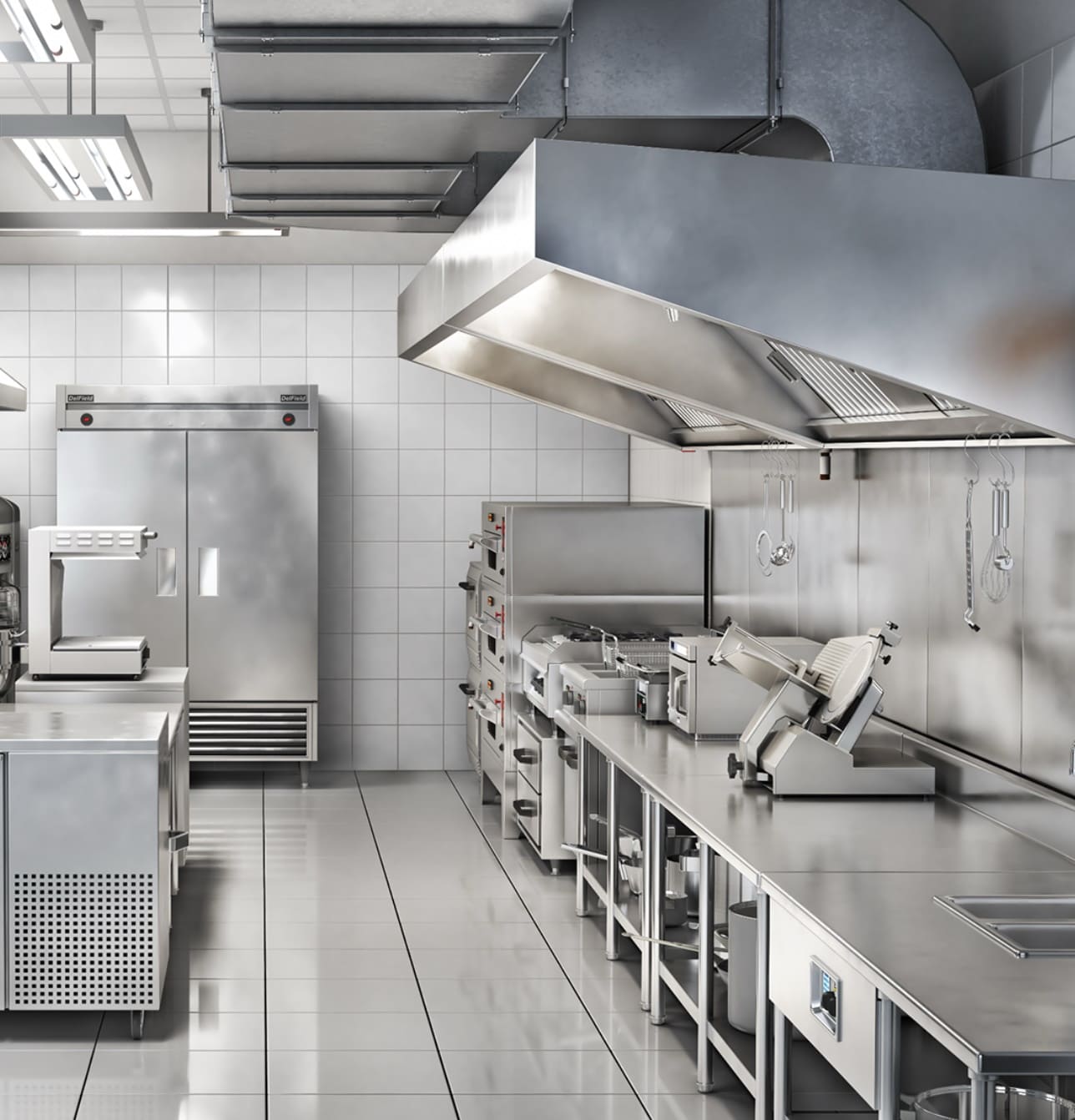
Commercial kitchens

Restaurants, catering, and food service environments requiring enhanced hygiene between shifts or after contamination events.

Cold storage and distribution

Temperature-controlled storage and logistics environments where mould and microbial contamination impact shelf life and quality.

Beverage production

Breweries, wineries, and beverage plants where environmental contamination affects consistency, flavour, and product stability.

Food safety certification support

Oxylogix protocols support HACCP environmental monitoring requirements and help facilities maintain SQF, BRC, and FSSC 22000 certification.

The approach provides verifiable environmental hygiene that complements existing sanitation programs, particularly in difficult-to-clean areas and outbreak response situations.

This is not a replacement for good manufacturing practices or routine sanitation. It is a controlled, validated layer of protection where traditional methods have limitations.

Assess fit for your facility.

We work with quality managers, food safety teams, and operations managers to evaluate technical fit, compliance requirements, and implementation pathways.