
Environmental biosecurity designed for high-traffic transport environments where turnaround time, passenger volume, and asset protection are critical.
Transport environments present conditions that manual cleaning alone cannot reliably control. High passenger turnover, short service windows, and complex interiors create persistent gaps in coverage.
Manual cleaning varies by operator and time pressure, leading to missed high-touch surfaces, ventilation components, and confined areas such as seat mechanisms and cabins.
Tight turnaround schedules limit dwell time and depth of cleaning between services, particularly in aircraft, trains, and vessels operating at high frequency.
Repeated use of liquid disinfectants accelerates corrosion of seating, electronics, HVAC systems, and sensitive interior materials.
Manual methods provide limited objective proof of effectiveness, making it difficult to demonstrate hygiene performance to regulators, operators, or passengers.
Cabins or compartments are secured and a programmed protocol is selected. Treatment parameters are calculated based on volume and enclosure characteristics.
Dry hydrogen peroxide vapour is dispersed evenly throughout the space, reaching exposed surfaces, hidden voids, and air pathways inaccessible to manual cleaning.
Environmental indicators and biological validation confirm effective exposure. Data is recorded to support internal reporting and regulatory assurance.
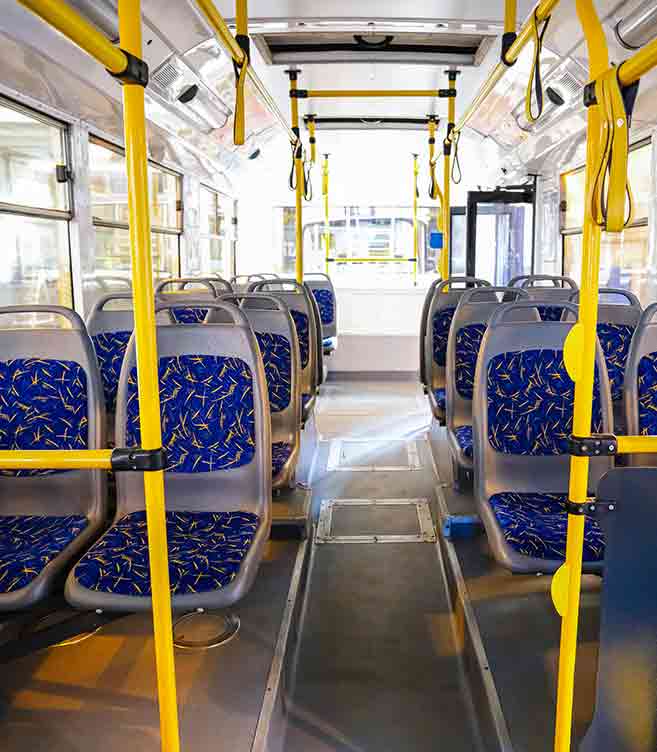
Vapour reaches seats, cabins, overhead compartments, ventilation systems, and enclosed passenger areas.
Non-corrosive delivery protects aircraft interiors, rolling stock, marine vessels, electronics, and HVAC systems.
Treatments can be scheduled around existing turnaround and maintenance windows without extending service downtime.
Validated results provide evidence of hygiene performance for operators, regulators, and passenger confidence.
Where Oxylogix protocols are deployed across transport networks.
Routine and responsive decontamination of aircraft cabins, galleys, lavatories, and crew areas without damaging sensitive materials.
Scheduled treatment of carriages, stations, and enclosed platforms operating under high passenger density.
Environmental decontamination of passenger cabins and shared spaces where extended occupancy increases transmission risk.
Rapid intervention following confirmed or suspected infectious events to support containment and continuity of service.
We work with transport operators, facility managers, and safety teams to assess suitability, define protocols, and integrate treatment into existing operational schedules.